
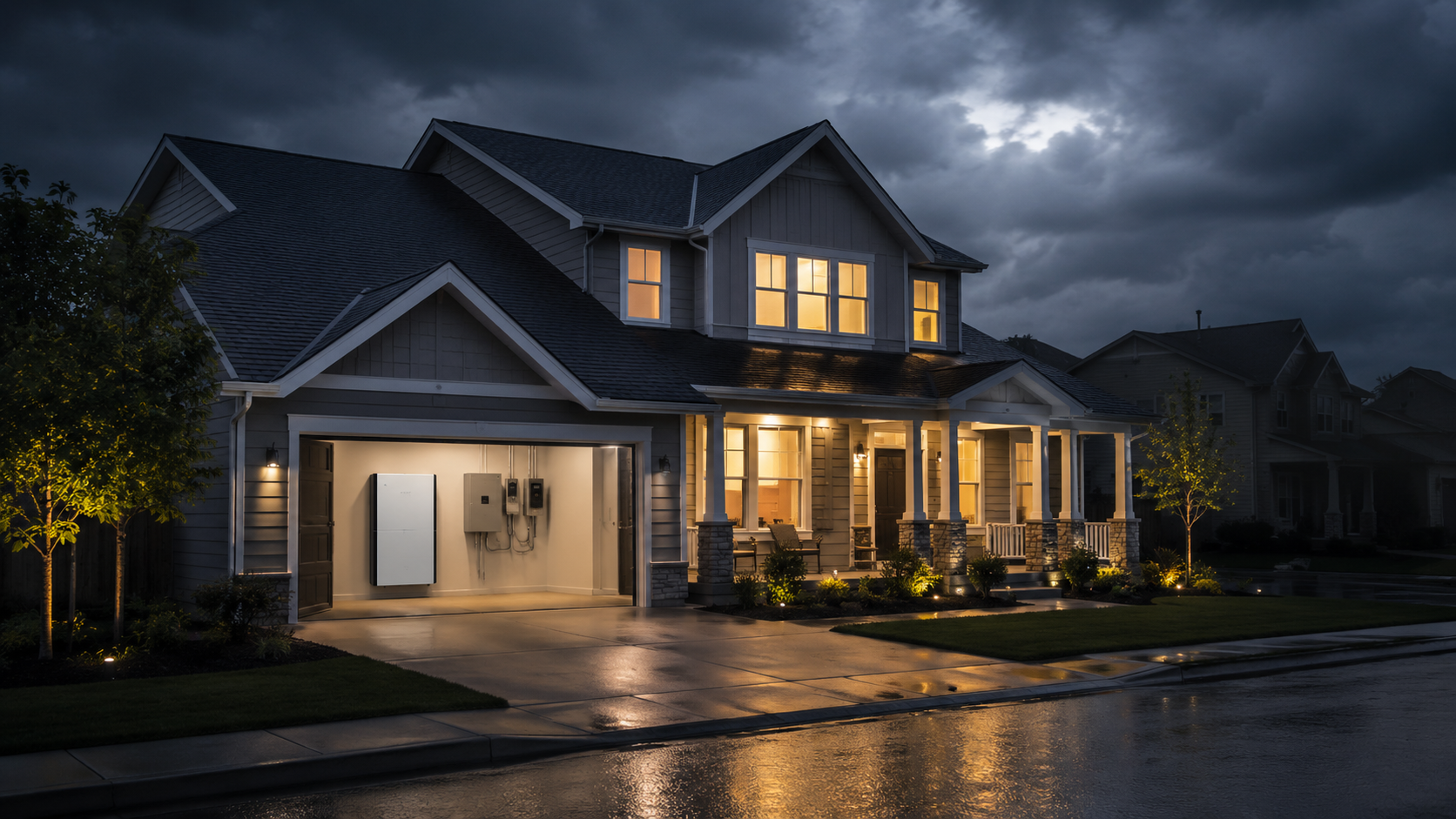
Why More Homeowners Are Choosing Whole Home Power Backup Over Traditional Generators
Power outages are never fun. Whether it is a strong summer storm, unexpected grid issue, or an extended outage, losing power can quickly disrupt your home, your comfort, and your routine.
For years, many homeowners thought of traditional generators as the main solution for backup power. While generators can still be helpful in certain situations, more homeowners are now looking for modern whole home power backup systems instead.
These systems offer a quieter, cleaner, and more convenient way to keep your home running when the power goes out, without some of the noise, fumes, fuel storage, and routine maintenance that come with traditional generators.
If you are considering backup power for your home, here is what you should know.
What Is Whole Home Power Backup?
A whole home power backup system is designed to provide electricity to your home when the power goes out. Instead of creating power with fuel, like a traditional generator, many modern backup systems store energy and automatically provide power when your home needs it.
Depending on the setup, a whole home power backup system may be able to power essential circuits, major appliances, or even larger portions of the home. These systems can often support things like refrigerators, lights, outlets, internet equipment, medical devices, and other important parts of daily life.
Some systems can also be paired with solar panels or charged from the grid, giving homeowners more flexibility and control over their backup power options.
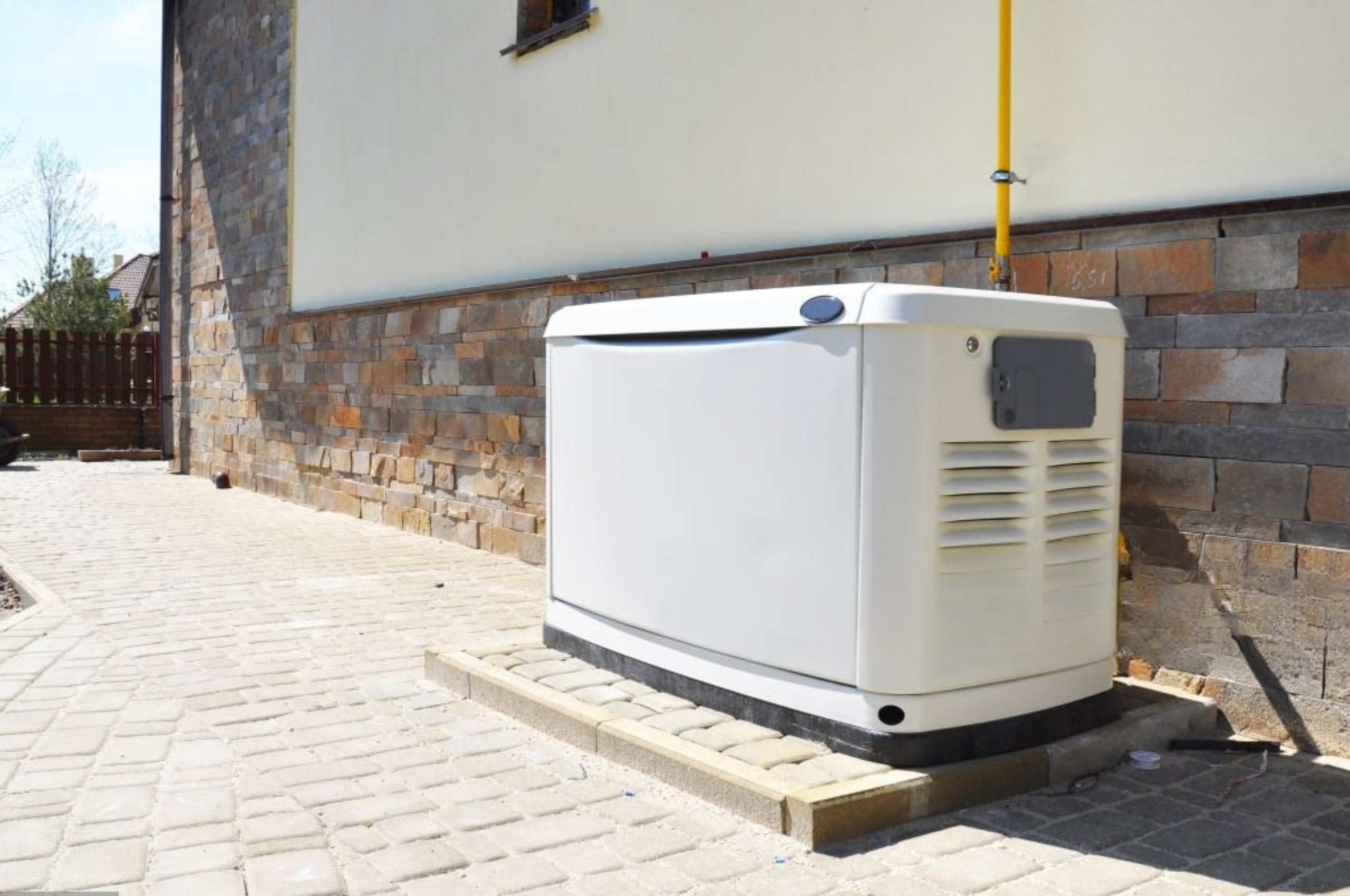
Why Homeowners Are Moving Away From Traditional Generators
Traditional generators have been around for a long time, and they can still be useful. However, they are not always the best fit for every homeowner.
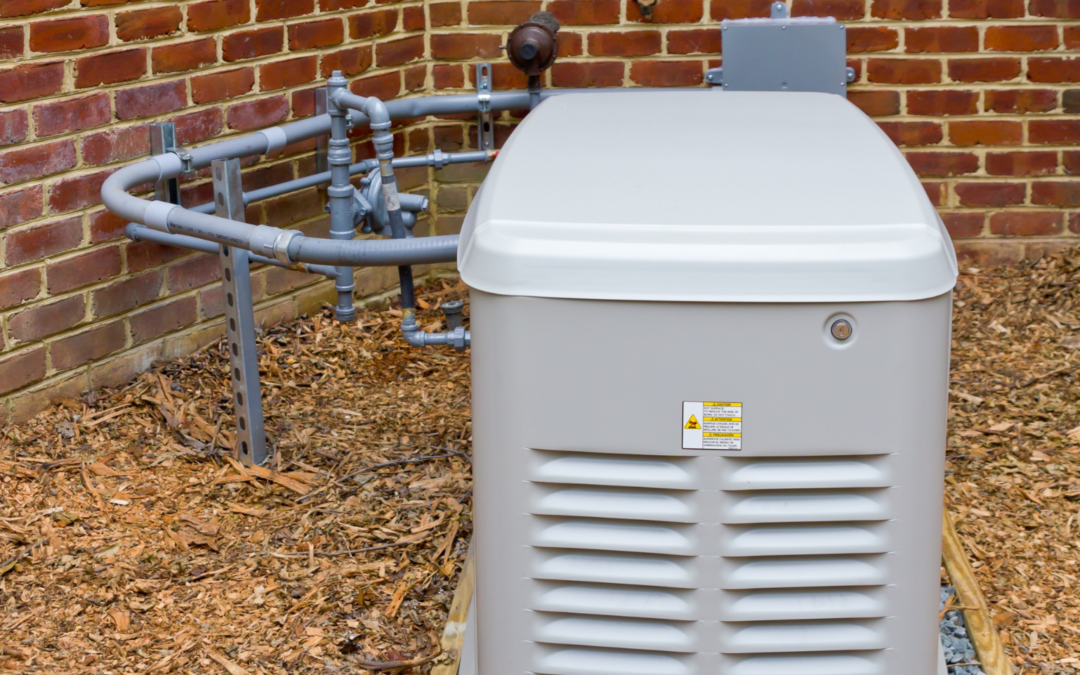
Generators typically rely on fuel such as gas, propane, diesel, or natural gas. They also have engines, which means they create noise, require maintenance, and produce exhaust. Portable generators also need to be set up safely and should never be operated too close to the home.
For many homeowners, the biggest concerns with generators include:
- Noise while the generator is running
- Fuel storage or fuel availability
- Routine maintenance
- Exhaust and carbon monoxide safety concerns
- Outdoor placement requirements
- Startup and operating inconvenience
- Potential neighborhood noise concerns
Whole home power backup systems solve many of these concerns by offering a cleaner and more convenient way to prepare for outages.
A Quieter Backup Power Solution
One of the biggest benefits of whole home power backup is how quiet it can be compared to a traditional generator.
Since battery-based backup systems do not rely on a combustion engine, they can operate with far less noise. That can be a major advantage for homeowners in neighborhoods, quiet residential areas, or rural homes where peace and comfort matter.
When the power goes out, you want your home to feel calm and comfortable, not loud and disruptive. Whole home power backup helps provide support without the constant hum or roar of a generator running outside.
No Fuel Storage or Refueling
Another major reason homeowners choose whole home power backup is convenience.
With a traditional generator, you often need some type of fuel source. That may mean storing gasoline, arranging propane, connecting to natural gas, or making sure the generator is ready to run when an outage happens.
During a longer outage, fuel availability can also become an issue. If roads are blocked, gas stations are closed, or demand is high, keeping a generator running may not be as simple as expected.
Whole home power backup systems remove much of that concern. Instead of depending on stored fuel, the system stores electricity and provides power when needed. For many homeowners, that makes the backup plan feel easier, cleaner, and more reliable for everyday use.
Lower Maintenance Than Traditional Generators
Generators have engines, and engines need maintenance. That may include oil changes, battery checks, filters, inspections, test runs, and occasional repairs.
Whole home power backup systems are typically much lower maintenance because they do not operate like a fuel-powered engine. While they still need to be installed properly and checked as part of a safe electrical system, they usually do not require the same level of ongoing upkeep as a traditional generator.
For homeowners who want backup power without adding another engine to maintain, this is a major advantage.
Great for Everyday Outage Protection
Not every outage lasts for days. Many power outages are shorter disruptions caused by storms, equipment issues, or temporary grid problems.
Whole home power backup can be a great fit for these everyday outage situations because it can automatically keep important parts of your home running without the hassle of starting a generator or managing fuel.
Depending on your system and setup, backup power may help keep essentials running, such as:
- Refrigerators and freezers
- Lights
- Internet and Wi-Fi
- Home office equipment
- Outlets in key areas
- Medical equipment
- Garage doors
- Security systems
- Select appliances
For families, remote workers, and homeowners who simply want more peace of mind, that kind of automatic support can make a big difference.
A Cleaner Option for Backup Power
Traditional generators create exhaust because they burn fuel. That means placement, ventilation, and carbon monoxide safety are extremely important.
Whole home power backup systems do not produce exhaust while operating. That makes them a cleaner option for homeowners who want backup power without dealing with fumes, fuel spills, or engine emissions during every outage.
This can be especially appealing for homeowners interested in energy efficiency, solar compatibility, or a more modern electrical setup.
Can Whole Home Power Backup Power the Entire House?
The answer depends on the system size, your home’s electrical demand, and how the backup system is designed.
Some homeowners only want to power essential circuits, such as the refrigerator, lights, internet, and a few outlets. Others may want a more robust setup that supports larger loads, such as HVAC equipment, kitchen appliances, well pumps, or more of the home.
Before installing a backup power system, it is important to decide what you want your system to handle.
Good questions to ask include:
- Do you want to power the whole home or only essential circuits?
- Do you need heating and cooling during an outage?
- Do you work from home and need internet access?
- Do you have medical devices or important equipment that must stay powered?
- Are you interested in future solar integration?
- How long do you typically want backup power to last?
A licensed electrician can help evaluate your electrical panel, review your power needs, and recommend a setup that makes sense for your home.
Where Traditional Generators Still Make Sense
While whole home power backup is a great option for many homeowners, traditional generators can still make sense in certain situations.
A generator may be a better fit for homes that need very long-duration backup power, especially if the property has access to a reliable fuel source. Some homeowners with heavy power demands or specific equipment needs may also choose a generator-based setup.
That said, many homeowners do not want the noise, fuel management, maintenance, and exhaust concerns that come with a generator. For those families, whole home power backup may be the better long-term solution.
Why Professional Installation Matters
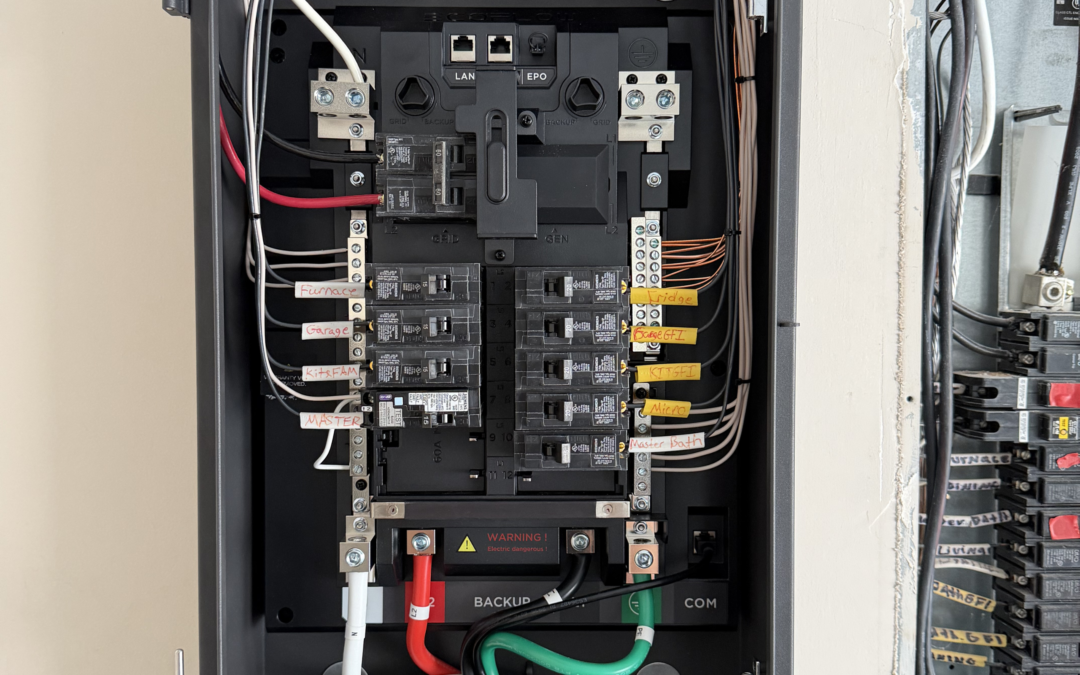
Backup power is not something to guess your way through. Whether you are installing a whole home power backup system or connecting backup power to certain circuits, the system needs to be safely integrated with your home’s electrical panel.
Improper backup power setups can create serious safety concerns, including overloaded circuits, equipment damage, electrical hazards, and dangerous backfeeding.
A licensed electrician can help with:
- Reviewing your existing electrical panel
- Determining what your home can safely support
- Identifying essential circuits
- Installing backup panels or transfer equipment
- Connecting the system properly
- Planning for larger electrical loads
- Making sure the setup is safe and code-compliant
The goal is not just to have backup power. The goal is to have backup power that works safely when you actually need it.
Is Whole Home Power Backup Right for Your Home?
Whole home power backup may be a great fit if you want a backup power option that is quieter, cleaner, lower maintenance, and easier to use than a traditional generator.
It is especially appealing for homeowners who want reliable outage protection without storing fuel, managing engine maintenance, or listening to a loud generator run outside the home.
If you are tired of losing power during storms or simply want to be more prepared, a whole home power backup system can give your home an added layer of comfort and peace of mind.
Whole Home Power Backup in Peachtree City and Surrounding Areas
At PowerWorks Electric, we help homeowners explore safe, reliable whole home power backup solutions designed around their home, lifestyle, and electrical needs.
Whether you want to keep essential circuits running or are looking for a more complete backup power setup, our team can evaluate your electrical system and help recommend the right solution.
We proudly serve homeowners in Peachtree City, Fayetteville, Senoia, Newnan, Tyrone, and surrounding areas.
If you are ready to prepare your home for the next power outage, contact PowerWorks Electric today to schedule a consultation.
Social Media
0 Comments