As more Peachtree City homeowners look for ways to protect their electrical systems during storms and utility fluctuations, one of the most common questions we hear at JD Powerworks Electric is, “Does a whole house surge protector protect the AC?” The air conditioner is one of the most important and expensive systems in your home and is especially vulnerable to sudden voltage spikes.
A whole house surge protector can prevent major AC damage by stopping dangerous voltage before it reaches your system. This includes external surges from lightning or power grid issues and internal surges created by large appliances cycling on. On average, a properly installed surge protector helps extend the lifespan of your HVAC system and reduces the chance of costly repairs.
Here is a breakdown of how surge protection works, why your AC needs it, and why hiring a licensed electrician ensures the system is installed safely and up to Georgia code.
Why Your AC Needs a Whole House Surge Protector
Most air conditioners contain sensitive electronics including control boards, relays, compressors, sensors, and motors. These components cannot handle sudden voltage spikes. A surge can break internal circuits, damage the compressor, or destroy the control board in seconds.
Many homes in Peachtree City experience surges from two common sources. External surges come from lightning strikes or utility grid switching. Internal surges happen every time appliances such as refrigerators or well pumps cycle on. These internal surges happen dozens of times per day and slowly weaken HVAC components.
Installing a whole house surge protector blocks these dangerous voltage spikes before they enter your HVAC equipment. This adds a major layer of protection during storms, outages, and everyday electrical use.
If you rely on your AC during the hot Georgia summer, surge protection is one of the smartest upgrades you can make.
Average Protection Breakdown
The way surge protection works depends on your home’s electrical system and the surge protector installed. Below are the main factors that affect how well your AC is protected.
1. Surge Source
Your home experiences two main types of surges:
- External surges from lightning or utility issues
- Internal surges from appliances cycling on
A whole house surge protector shields your AC from both, preventing sudden and repeated damage.
2. Surge Protector Rating
Surge protectors are rated in joules, which measure how much energy they can absorb.
- Basic protection: 700 to 1000 joules
- Standard whole home protection: 1000 to 3000 joules
- HVAC level protection: 3000 joules and up
Your electrician will recommend the correct rating based on the size of your AC and your home’s electrical demands.
3. Grounding Quality
A surge protector can only work as intended if your home has proper grounding.
Older grounding systems may need upgrades to ensure safe surge diversion.
4. Secondary HVAC Protection
Some homeowners choose to add a second surge protector at the AC disconnect.
This provides additional protection for compressors and control boards, especially during lightning season.
When You Might Need a Surge Protector Upgrade
Your home may need stronger surge protection if you notice:
- Flickering lights during storms
- HVAC control board failures
- Tripped breakers during AC startup
- Power outages followed by sharp voltage returns
- Frequent summer lightning in your area
- Increased use of smart home electronics
Surge protection helps prevent unnecessary HVAC repairs and extends the life of your equipment.
Can You Install a Whole House Surge Protector Yourself
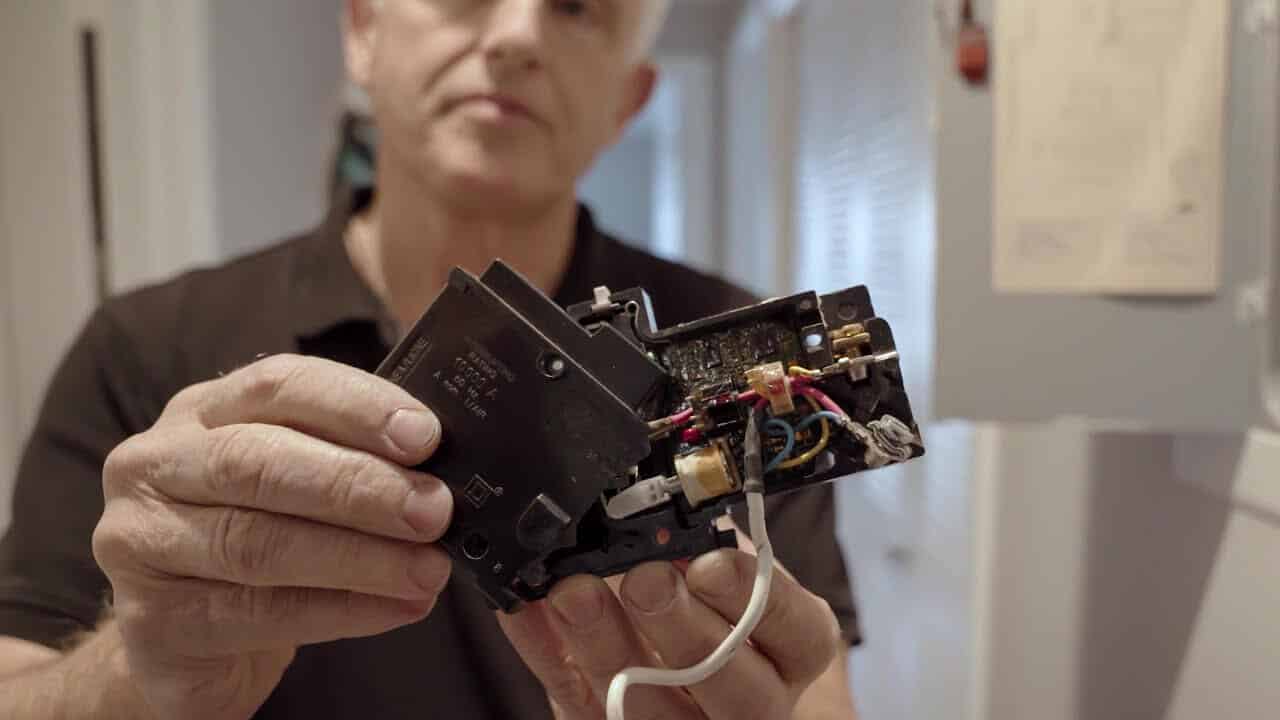
Installing a whole house surge protector is not a safe do it yourself project. These systems connect directly to your electrical panel and must be wired to the correct breaker with proper grounding and code compliance.
Improper installation can lead to fire hazards, wiring damage, and ineffective protection. A licensed electrician ensures your surge protector is installed properly and performs as intended.
Benefits of Professional Installation
When you hire JD Powerworks Electric, you get:
- Safe and code compliant surge protection
- Correct rating for your HVAC system
- Proper grounding and breaker setup
- Optional secondary HVAC surge protection
- Permit handling and inspection scheduling
- Long term reliability for your AC and electronics
Our team installs surge protectors throughout Peachtree City and surrounding areas. We make sure your HVAC system and home electronics receive the protection they need.
Why Protection Levels Vary
Protection levels vary due to differences in home layout, grounding quality, panel capacity, and AC size. A newer home may only need a single surge protector, while older homes may require grounding updates or secondary protection.
Think of surge protection like any electrical upgrade. Better preparation results in stronger and longer lasting protection for your home.
Final Thoughts
A whole house surge protector does protect your air conditioner by blocking dangerous voltage spikes before they reach your HVAC system. This helps extend the lifespan of your AC, reduce wear, and prevent costly repairs. The key is to choose the correct size surge protector and have it professionally installed.
JD Powerworks Electric specializes in whole home surge protection and HVAC electrical safety across Peachtree City, Georgia. We make sure your surge protector is installed correctly and ready for the next storm.
Ready to protect your AC the right way? Schedule your surge protector installation with JD Powerworks Electric today.
Read the FAQ: Does a whole house surge protector protect the AC
Watch our video on whole home surge protection
JD Powerworks Electric
Peachtree City, GA
Call today to schedule your surge protector installation.