

Do I Need a Panel Upgrade for an EV Charger?
Does Every EV Charger Require an Electrical Panel Upgrade?
No, not every home needs an electrical panel upgrade to accommodate an EV charger. Many homes already have enough electrical capacity to support a Level 2 charging station without making major changes to the electrical system. However, an EV charger can add a significant electrical load to your home. Unlike smaller household devices, a Level 2 charger typically operates on a dedicated 240-volt circuit and can draw substantial power while charging your vehicle. Whether your existing panel can support that additional demand depends on several factors, including:
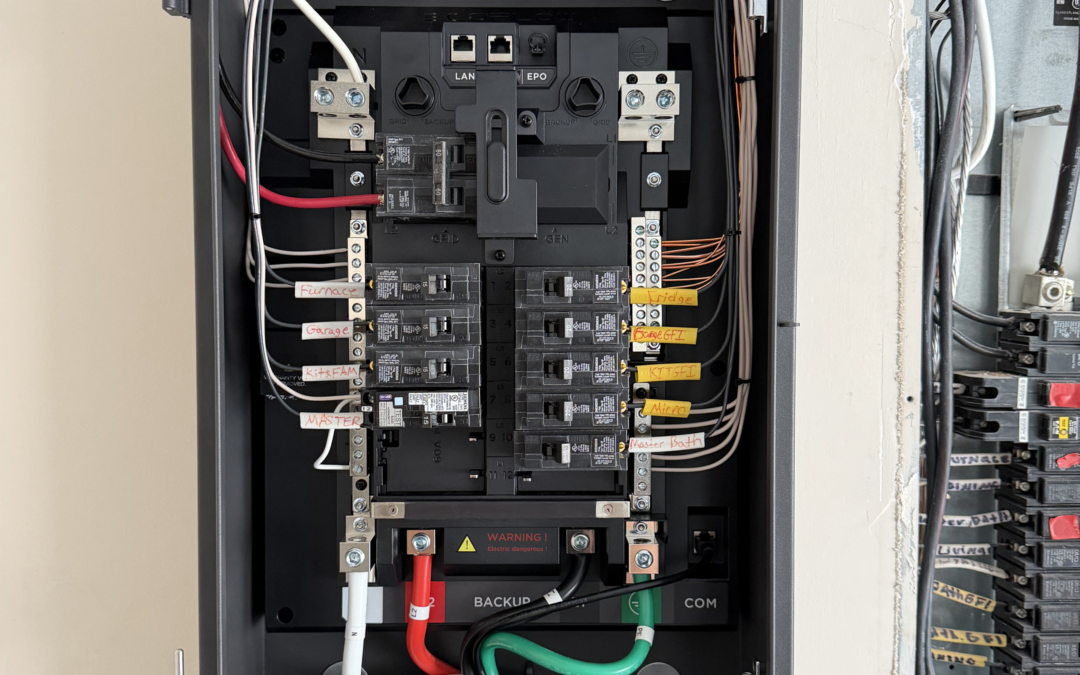
- Electrical panel capacity: The amperage rating of your existing panel helps determine how much electrical demand your home can support.
- Current household usage: Large appliances, HVAC systems, electric water heaters, and other equipment already use part of your available electrical capacity.
- Available circuit space: Your electrical panel needs the appropriate space and configuration for the new EV charger circuit.
- Charger requirements: Different EV chargers have different electrical requirements, which can affect the installation.
- Future electrical needs: If you’re planning to add other major appliances or electrical equipment, it’s worth considering those needs before deciding on an upgrade.

What Type of EV Charger Do You Plan to Install?
The type of charger you choose can make a difference when evaluating whether your electrical panel needs additional capacity.
Most homeowners consider one of two common charging options.
Level 1 Charging
Level 1 chargers typically plug into a standard 120-volt household outlet. They generally require less electrical capacity than Level 2 chargers, but they also charge vehicles much more slowly.
For homeowners who drive shorter distances or don’t need to recharge their vehicles quickly, Level 1 charging may be sufficient.
Level 2 Charging
Level 2 chargers operate on a 240-volt circuit and are a popular option for residential EV charging. They provide significantly faster charging than a standard household outlet and are commonly installed in garages or other convenient locations.
Because Level 2 chargers require a dedicated circuit and draw more electricity, they are more likely to require an evaluation of your home’s existing electrical capacity.
If you’re planning to install a Level 2 charger, having an electrician assess your panel before purchasing equipment can help you understand what installation work may be necessary.
Signs Your Electrical Panel May Need an Upgrade
Even if your electrical panel is functioning properly, that doesn’t necessarily mean it has enough capacity for an additional EV charging circuit.
There are several situations where an electrical panel upgrade may be worth considering:
- Your home has an older electrical panel: Older panels may have limited capacity or outdated components that aren’t suitable for your current electrical needs.
- Your household already uses significant electricity: If your home has multiple large appliances, electric heating, or other high-demand equipment, there may not be enough available capacity for an EV charger.
- Your panel is already at capacity: Even if there is physical room for another breaker, the panel may not have sufficient electrical capacity to support the additional load.
- You’re planning multiple upgrades: Adding an EV charger along with other major electrical equipment may make a larger panel upgrade a practical long-term investment.
- Your electrical system needs repairs: Signs of deterioration, outdated equipment, or other electrical concerns should be evaluated before adding new charging equipment.
It’s important to remember that a panel upgrade isn’t always the only solution. Depending on your home’s electrical configuration, an electrician may be able to recommend an alternative that provides the capacity you need without replacing the entire panel.
Can You Install an EV Charger With a 100-Amp Electrical Panel?
Many older homes have 100-amp electrical service, which can sometimes make homeowners wonder whether installing an EV charger is even possible.
The good news is that a 100-amp panel does not automatically mean you need an upgrade.
Whether it can support a Level 2 EV charger depends on the home’s existing electrical demand and the charger’s planned operating capacity. A home with relatively low electricity usage may have enough available capacity, while another home with the same panel rating may not.
An electrician can evaluate your electrical usage and perform the necessary calculations to determine whether your existing service can safely handle the additional load.
In some cases, adjusting the charger’s maximum charging current or installing a compatible load management system may help avoid a full electrical service upgrade.
The important thing is to make sure the charging equipment is properly sized and installed for your home’s electrical system.
What Is an Electrical Load Calculation?
Before installing a Level 2 EV charger, an electrician may perform an electrical load calculation to determine how much electricity your home uses and how much additional capacity is available.
This process considers the electrical demands of major household equipment, lighting, appliances, heating and cooling systems, and the proposed EV charger.
The purpose is to determine whether your existing electrical service can safely support the additional load.
An electrical load calculation is especially important because simply looking at the amperage rating on your electrical panel doesn’t tell the whole story.
For example, two homes with identical 200-amp panels may have very different electrical demands. One may have plenty of available capacity for an EV charger, while the other may require additional planning.
Having this evaluation completed before installation helps prevent problems and ensures the charging system is designed around your home’s actual electrical needs.
Are There Alternatives to Upgrading Your Electrical Panel?
If your existing electrical system doesn’t have enough available capacity for an EV charger, a complete panel replacement may not be your only option.
Depending on your home’s setup, an electrician may recommend one of the following approaches:
- EV charger load management: Certain charging systems can monitor household electrical usage and automatically adjust charging output to help stay within available electrical capacity.
- Reduced charging amperage: Some EV chargers allow their maximum charging current to be adjusted, potentially making installation possible without a larger electrical service.
- Electrical panel improvements: In some situations, replacing or reorganizing existing equipment may provide a suitable solution, provided the overall electrical capacity is sufficient.
- Service capacity upgrade: If your home genuinely needs more electrical capacity, upgrading the electrical service may be the most appropriate long-term solution.
Not every option is suitable for every home. The right approach depends on your electrical panel, existing service, charger specifications, and applicable electrical requirements.
How Much Does a Panel Upgrade for an EV Charger Cost?
The cost of a panel upgrade for EV charger installation can vary depending on the electrical work required and the condition of your existing system.
Some homeowners may only need a new dedicated circuit and charger installation. Others may require a panel replacement, additional electrical work, or an upgrade to their home’s electrical service.
Factors that can influence the overall cost include:
- The amperage and condition of your existing electrical panel.
- Whether additional electrical service capacity is required.
- The distance between the electrical panel and the charging location.
- The type and electrical requirements of the EV charger.
- Whether new wiring, conduit, or other electrical components are needed.
- Any necessary permits or utility coordination.
The best way to understand your potential costs is to have an electrician evaluate your home and provide recommendations based on your specific installation requirements.
Why Have an Electrician Evaluate Your Home Before Installing an EV Charger?
Installing an EV charger involves more than simply mounting a charging station and connecting it to an electrical panel. The circuit must be properly sized, the electrical system must have sufficient capacity, and the installation must meet applicable electrical codes.
Working with a qualified electrician helps ensure that your charging equipment is compatible with your home’s electrical system.
An electrician can inspect your panel, perform a load calculation, determine whether an upgrade is necessary, and recommend the most appropriate installation approach.
For homeowners in Peachtree City, Fayetteville, Newnan, and surrounding Georgia communities, having the electrical system evaluated before purchasing a charger can help make the installation process much smoother.
Ready to Install an EV Charger at Your Home?
Adding an electric vehicle charger is a convenient upgrade that can make everyday driving easier. But before moving forward, it’s important to know whether your electrical panel has the capacity to support it.
At J.D. PowerWorks Electric, we help homeowners throughout Peachtree City and surrounding Georgia communities with electrical upgrades, EV charger installations, and dependable residential electrical services.
Whether you need a new charging circuit, an electrical panel evaluation, or a complete panel upgrade for your EV charger, our team can help you understand your options and determine the right solution for your home.
Thinking about adding an EV charger to your garage? Contact J.D. PowerWorks Electric today to schedule an evaluation and get started with a safe, reliable home charging solution.
Social Media


0 Comments