
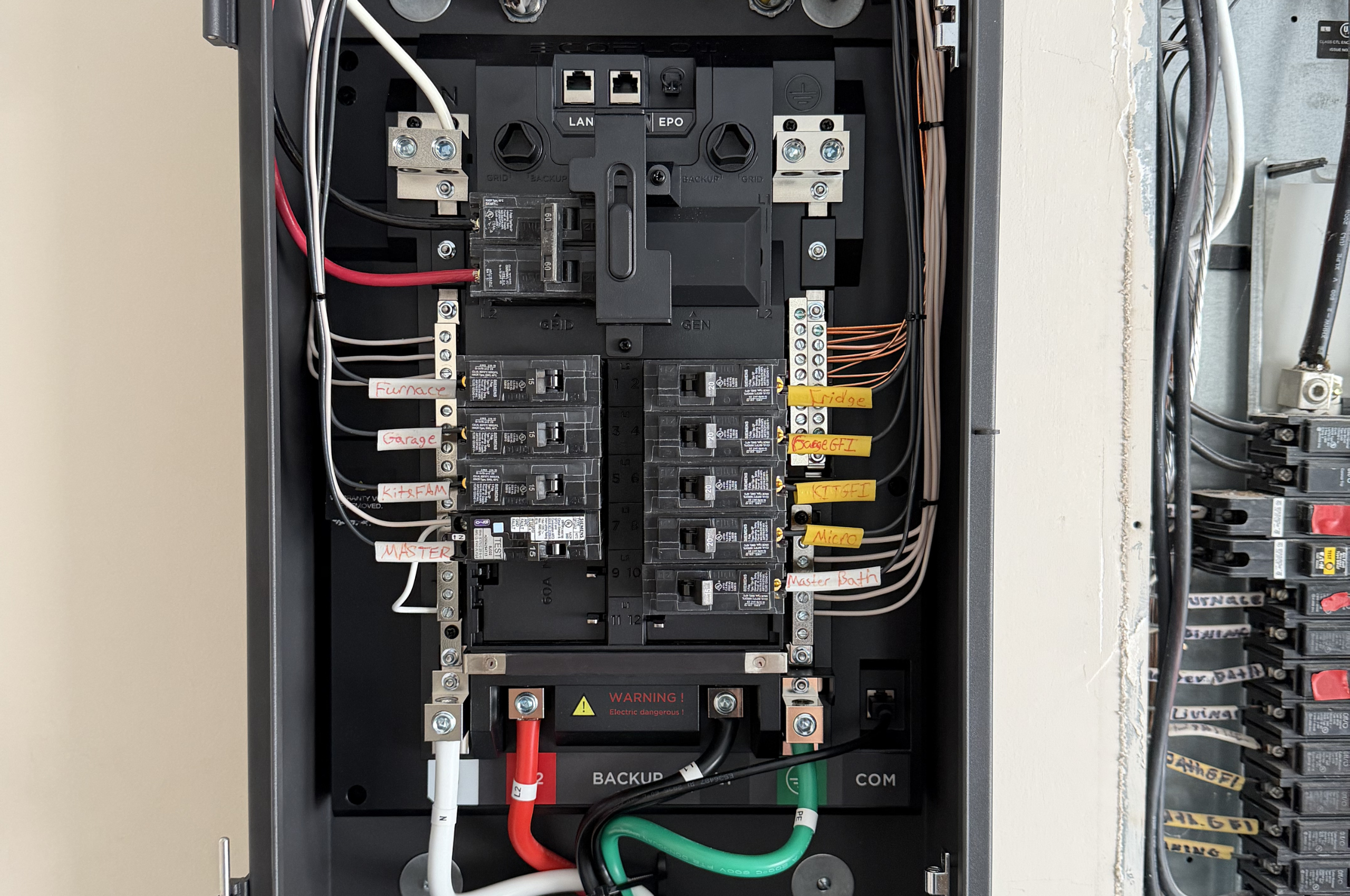
Why Does My Breaker Keep Tripping? Common Causes and When to Call an Electrician
If you’ve been wondering, why does my breaker keep tripping, the answer could involve anything from an overloaded circuit to a faulty appliance or a more serious electrical issue. Understanding what causes a breaker to trip can help you recognize when a simple adjustment may be enough and when it’s time to call a professional.
For homeowners in Peachtree City and surrounding Georgia communities, knowing the warning signs of electrical problems can help protect your home, appliances, and family.
What Does It Mean When a Circuit Breaker Trips?
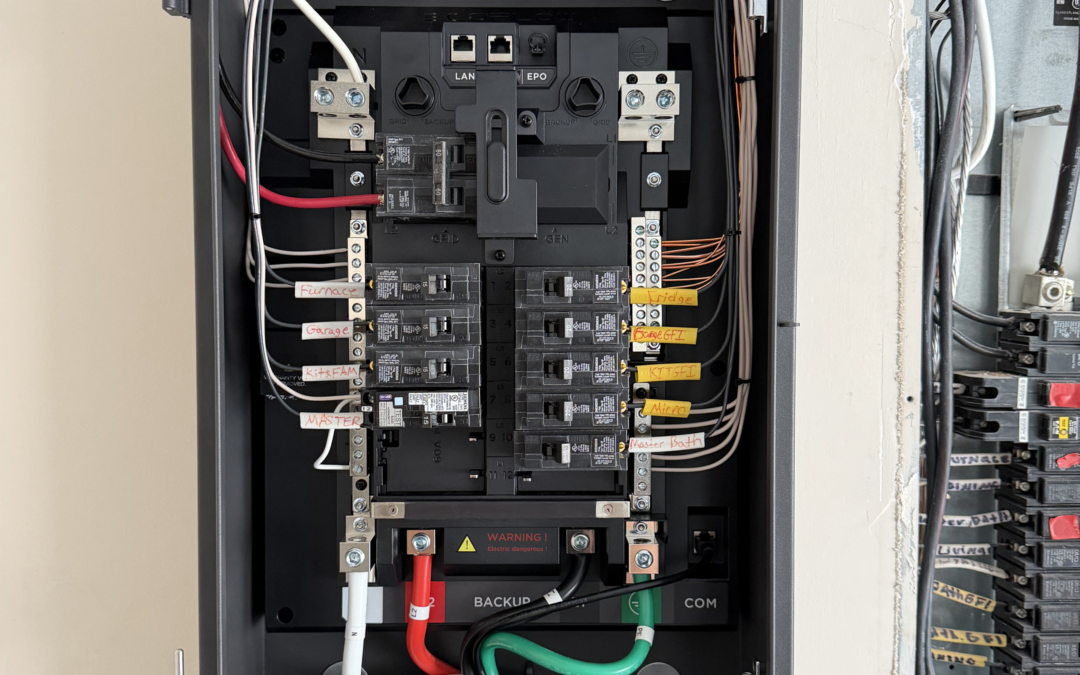
A circuit breaker is a safety device designed to interrupt the flow of electricity when it detects a problem within a circuit. Its job is to help prevent overheating, electrical damage, and potentially dangerous conditions.
When a breaker trips, it automatically shuts off power to the affected circuit. This can happen when too much electricity is being used at once or when the electrical system detects a potentially unsafe condition.
Although it can be frustrating to lose power unexpectedly, a tripped breaker is doing an important job. Rather than repeatedly resetting it, it’s worth understanding what caused it to shut off in the first place.
Why Does My Breaker Keep Tripping? Common Causes
There are several reasons a circuit breaker may trip repeatedly. Some are related to everyday electricity use, while others may indicate a problem with your home’s wiring or electrical equipment.
- Overloaded circuits: One of the most common causes is using too many electrical devices on the same circuit. Space heaters, microwaves, hair dryers, and other high-demand appliances can draw more power than a circuit is designed to handle.
- Short circuits: A short circuit happens when electricity takes an unintended path, often because of damaged wiring or a problem with an electrical connection. This can cause a breaker to trip immediately.
- Ground faults: A ground fault occurs when electricity flows along an unintended path toward the ground. These problems can cause protective devices to shut off power and may create a shock hazard.
- Faulty appliances: An appliance with damaged wiring, a failing motor, or an internal electrical problem may cause the breaker to trip whenever it is plugged in or turned on.
- Damaged or aging wiring: Electrical wiring can deteriorate over time, particularly in older homes. Loose connections, damaged insulation, and worn components can contribute to repeated electrical problems.
- A failing circuit breaker: Breakers can wear out over time. If a breaker is damaged or no longer operating correctly, it may trip even when the circuit isn’t overloaded.
Identifying the actual cause is important because repeatedly resetting a breaker without addressing the underlying issue can leave your home vulnerable to additional electrical problems.
How to Tell If Your Circuit Is Overloaded
If your breaker trips when several appliances are running at the same time, an overloaded circuit may be the reason.
For example, you might notice the breaker switches off when you’re using a microwave while another high-powered kitchen appliance is running. The same thing can happen when space heaters, hair dryers, or other equipment are operating on the same circuit.
Some common signs of an overloaded circuit include:
- The breaker trips when multiple appliances are being used.
- Power shuts off during periods of heavy electrical use.
- Several outlets or lights lose power at the same time.
- The problem seems to happen more frequently when certain appliances are running.
Reducing the number of high-demand appliances operating on one circuit may help if the issue is simply excessive electrical demand. However, if the breaker continues tripping, an electrician should inspect the circuit to determine whether additional capacity or electrical repairs are needed.
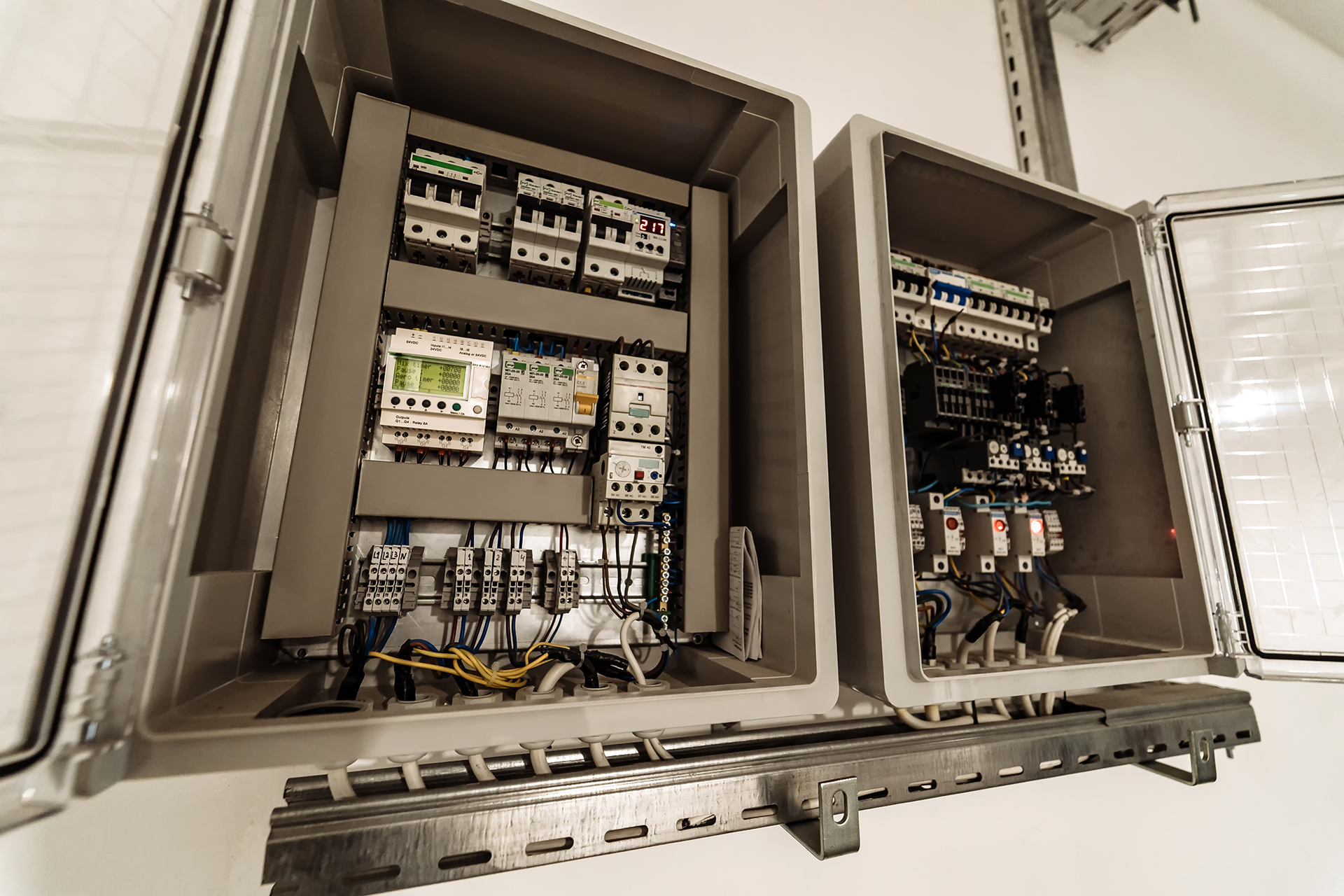
When Is a Tripping Breaker a Serious Electrical Problem?
Not every tripped breaker indicates an emergency, but certain warning signs should never be ignored.
If you notice any of the following, it’s important to have the electrical system evaluated by a qualified electrician:
- A burning smell coming from the electrical panel, outlets, or switches.
- Buzzing, crackling, or popping sounds near electrical equipment.
- Discoloration, scorch marks, or visible damage around outlets.
- A breaker that trips immediately after being reset.
- Repeated power interruptions affecting the same circuit.
- Warm or unusually hot outlets, switches, or electrical panel components.
If you notice smoke, sparks, or signs of an active electrical fire, stay away from the equipment, leave the area if necessary, and call 911. Do not attempt to reset the breaker or investigate damaged wiring yourself.
A breaker that continues to trip is not something you should ignore, especially when other warning signs are present.
Should You Keep Resetting a Tripped Breaker?
Resetting a breaker once may be reasonable if you understand what caused it to trip and there are no signs of damage or other electrical hazards.
However, repeatedly switching a breaker back on without identifying the problem is not a good solution. If the circuit is overloaded or has a wiring issue, the breaker may continue shutting off power to protect the system.
If a breaker trips again after being reset, stop trying to restore power and have an electrician investigate the issue.
It’s also important to avoid replacing a breaker with one rated for a higher amperage simply to prevent it from tripping. The breaker must match the circuit wiring and electrical requirements to provide proper protection.
When to Call an Electrician for a Tripping Breaker
If you’re asking why your breaker keeps tripping and can’t identify an obvious cause, a professional electrical inspection is the best next step.
An electrician can evaluate the circuit, inspect the electrical panel, test connections, and determine whether the problem involves an overloaded circuit, damaged wiring, a faulty appliance, or a failing breaker.
Depending on the findings, the solution may involve repairing an electrical connection, replacing a damaged breaker, addressing a wiring issue, or making improvements to your home’s electrical capacity.
For homeowners in Peachtree City, Fayetteville, Newnan, and nearby communities, having a qualified electrician address recurring breaker problems can help prevent minor electrical issues from becoming larger concerns.
Get Help With Electrical Problems in Your Home
A circuit breaker that keeps tripping is your home’s way of signaling that something may not be right. While the cause can sometimes be simple, repeated interruptions deserve attention from someone who understands residential electrical systems.
At J.D. PowerWorks Electric, we help homeowners throughout Peachtree City and surrounding Georgia communities with dependable electrical services and solutions. Whether you’re dealing with a breaker that won’t stay on, recurring power interruptions, or concerns about your electrical panel, our team can help identify the problem and recommend the right next steps.
Don’t let recurring electrical issues disrupt your home or put your safety at risk. Contact J.D. PowerWorks Electric today to schedule electrical service and get your home’s power working safely and reliably again.
Social Media



0 Comments